


Keeping the inside of a home clean is not only about what happens indoors.
Dust, dirt, moisture and odours can all be influenced by the condition of the property exterior. If rainwater is not managed properly, or if exterior surfaces remain damp for long periods, the effects can sometimes be noticed inside the home.
Overflowing gutters, blocked downpipes, poor drainage, cracked render, high ground levels and damp external walls can all contribute to indoor problems. These may include musty smells, mould spots, stained walls, dirty entrance areas, damp flooring or rooms that never feel properly fresh even after cleaning.
Regular domestic cleaning can help keep the home more comfortable, but it can also reveal signs that something outside the property may need attention. By noticing patterns early, homeowners can deal with maintenance issues before they become more disruptive.
Why Exterior Moisture Matters Indoors
A home is a connected environment.
The roof, walls, windows, doors, gutters, floors and drainage system all work together to protect the interior. When one part of that system is not performing properly, the effects may show up in unexpected places.
For example, a blocked gutter may overflow during heavy rain. That water may run down an exterior wall, soak into porous surfaces or splash onto paths below. Over time, the affected wall may become colder or more moisture-prone. Indoors, this may contribute to damp patches, mould growth or a stale smell.
Cleaning may temporarily improve the appearance, but the underlying moisture source still needs to be addressed.
This is why homeowners should pay attention when the same cleaning issues keep returning in the same areas.
Signs That Indoor Cleaning Problems May Have an Exterior Cause
Some cleaning problems are caused by everyday living. Others may point to a wider property issue.
Possible warning signs include:
- Mould returning in the same corner
- Musty smells near external walls
- Damp patches after heavy rain
- Peeling paint or bubbling wallpaper
- Staining around windows or doors
- Excess dirt near entrances
- Slippery exterior paths leading to dirt indoors
- Persistent condensation in certain rooms
- Discoloured skirting boards
- Flooring that feels cold or damp
One sign on its own does not always mean there is a serious issue. However, repeated patterns are worth investigating.
A professional cleaner may notice these recurring problems during regular visits, especially if a room never seems to stay fresh for long.
Overflowing Gutters Can Lead to Wall Staining
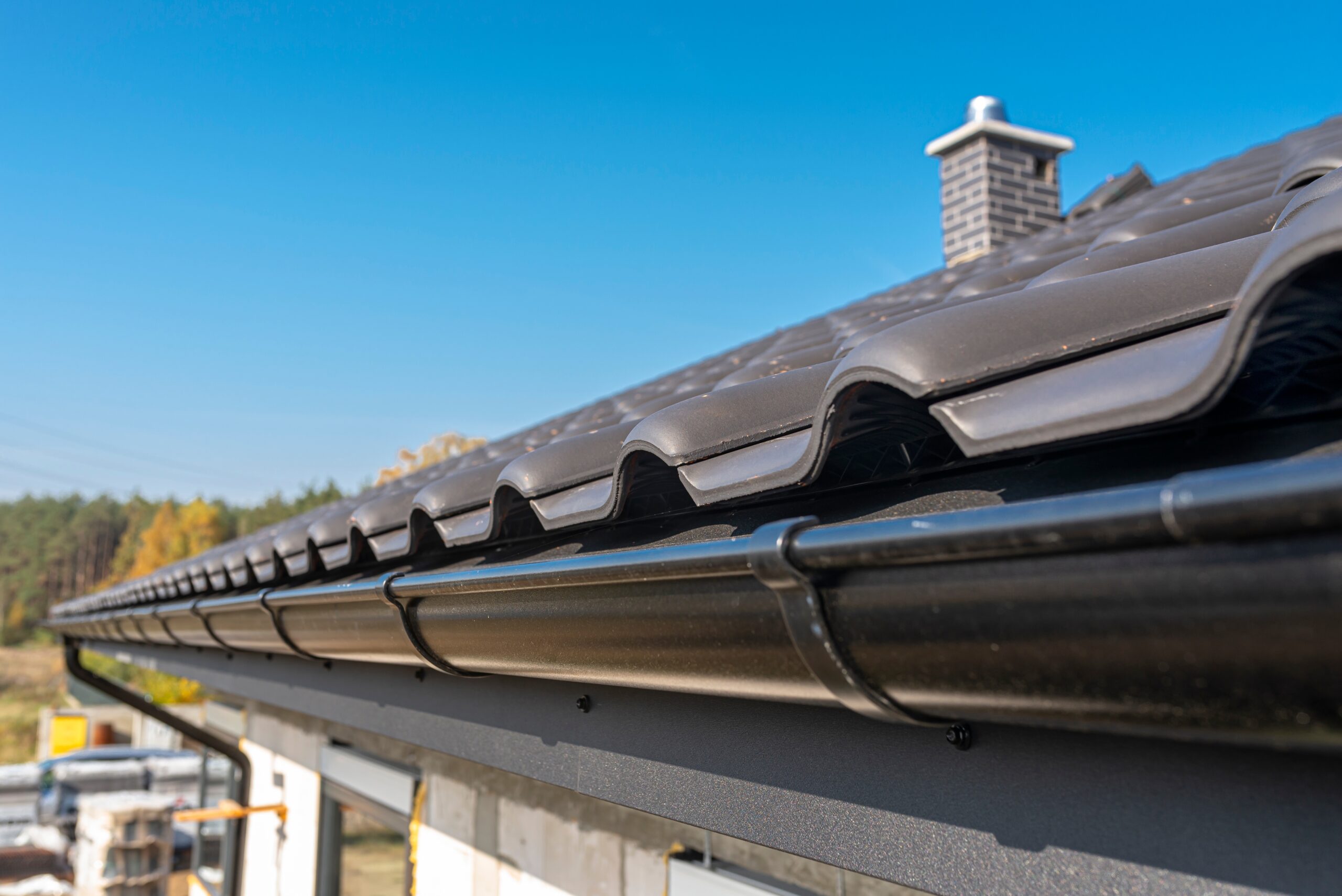
Gutters are designed to collect rainwater from the roof and direct it away from the building.
When they become blocked with leaves, moss, twigs or debris, water can overflow. Instead of travelling through the downpipe, it may spill over the edge and run down exterior walls.
This can create staining outside, but it may also affect the interior over time. Walls exposed to repeated water overflow may become more vulnerable to dampness, especially if pointing, render or paintwork is already damaged.
Inside the home, this may appear as dark marks, discolouration, flaking paint or a musty smell near the affected wall.
Homeowners planning longer-term improvements to rainwater systems can explore aluminium gutters, downpipes, fascias, soffits and wall copings from Alugutter, especially if exterior water management is becoming a repeated maintenance concern.
Damp Walls Can Encourage Mould
Mould needs moisture to grow.
In many homes, mould is linked to condensation caused by poor ventilation, cooking, showering or drying clothes indoors. However, exterior damp can also contribute, particularly where water is repeatedly soaking into external walls.
If a wall is cold or damp, moisture from indoor air may condense on it more easily. This can create ideal conditions for mould, especially behind furniture, in corners or near windows.
Cleaning mould from the surface can improve hygiene and appearance, but it may not solve the problem permanently if the wall remains damp.
This is why it is important to look at both cleaning habits and property maintenance. Ventilation, heating, guttering, drainage and external wall condition can all play a part.
Entrance Areas Bring Exterior Dirt Inside
The front door, back door and hallway often show the connection between outdoor and indoor cleaning most clearly.
Wet paths, muddy driveways, mossy steps, overflowing gutters and poor drainage can all increase the amount of dirt being carried into the home. Shoes, pets, pushchairs, shopping bags and mobility aids may bring in moisture and debris.
If an entrance mat becomes wet quickly or the hallway floor needs constant cleaning, the outdoor route may be part of the problem.
Simple improvements can help. Sweep paths regularly, remove wet leaves, clean exterior steps and keep doormats in good condition. If water falls directly near the door during rain, check whether guttering or drainage is contributing.
A cleaner entrance makes the whole home easier to maintain.
Windows and Frames Can Show Moisture Issues
Windows are another area where exterior and interior cleaning overlap.
If water is not draining properly from the roofline or wall above, windows may become dirtier more quickly. Rainwater running down the exterior can carry debris, algae or staining onto frames and glass.
Inside, moisture around windows may appear as condensation, mould on seals, damp sills or black marks in corners.
Regular cleaning can remove surface dirt and mould, but repeated staining should be checked. Possible causes may include poor ventilation inside, blocked external drainage channels, damaged seals, overflowing gutters or water tracking down from above.
Cleaning the glass is useful, but understanding why the area gets dirty or damp so quickly is even better.
Exterior Damp Can Cause Musty Smells
A home can look tidy but still feel stale.
Musty smells are often linked to moisture. They may come from carpets, upholstery, cupboards, walls, drains, under-stairs storage or poorly ventilated rooms.
If a musty smell is strongest near an external wall, window, entrance or lower-ground area, exterior moisture may be involved. Water may be entering through damaged materials, collecting near the building or keeping part of the structure damp.
Deep cleaning can help remove odours from surfaces and fabrics, but persistent smells should not be ignored. They may indicate a need for maintenance, ventilation improvements or further investigation.
A fresh-smelling home depends on both cleanliness and dryness.
Floors Can Be Affected by Moisture and Dirt
Floors often show the impact of exterior conditions.
Hallways, kitchens, utility rooms and garden-facing rooms may collect more dirt when outdoor surfaces are wet or poorly drained. Carpets can absorb damp odours, while hard floors may show muddy marks, water spots and tracked-in debris.
In some cases, moisture may also affect flooring near external doors or walls. Timber floors may swell, laminate may lift and carpets may feel damp or smell musty.
Cleaning can improve the surface, but recurring dampness should be taken seriously. Check door thresholds, external ground levels, drainage and any signs of water entering from outside.
Keeping outdoor routes dry and clear can help reduce the amount of cleaning needed indoors.
Regular Cleaning Helps Spot Patterns
One advantage of regular cleaning is that it makes changes easier to notice.
When a home is cleaned consistently, recurring marks, smells or damp patches stand out more clearly. A cleaner may notice that one corner always grows mould, one window always has damp sills or one hallway always becomes muddy after rain.
These patterns can be useful. They help homeowners identify where maintenance may be needed.
Instead of treating every mark as an isolated cleaning task, look for repetition. If the same problem returns after every heavy rainfall, the source may be outside rather than inside.
Deep Cleaning After Damp Issues
If a damp or rainwater issue has been fixed, the home may still need a thorough clean afterwards.
Mould spores, odours, stains and dirt can remain even after the original cause has been addressed. Deep cleaning can help refresh affected rooms and make the home feel more comfortable again.
Depending on the situation, this may include:
- Cleaning walls and skirting boards
- Removing surface mould carefully
- Cleaning window frames and sills
- Washing hard floors
- Refreshing carpets
- Cleaning cupboards and storage spaces
- Removing musty odours
- Improving ventilation during and after cleaning
It is important that the moisture source is addressed first. Otherwise, the same problem may return.
Kitchens and Bathrooms Need Extra Ventilation
Kitchens and bathrooms already create moisture through normal use.
Cooking, boiling kettles, washing dishes, bathing and showering all release moisture into the air. If the property also has exterior damp or poor rainwater management, these rooms may become harder to keep fresh.
Extractor fans, windows and general ventilation should be used properly. Surfaces should be dried where needed, and mould-prone areas should be cleaned regularly.
If mould or damp patches appear on external walls in these rooms, it may be worth checking both ventilation and exterior conditions.
Cleaning works best when moisture is controlled at the same time.
Preventing Outdoor Dirt From Spreading Indoors
A few simple habits can reduce how much exterior dirt enters the home.
Use good-quality mats inside and outside entrances. Remove shoes where practical. Keep pet towels near the door during wet weather. Sweep paths and patios to reduce mud and leaves. Make sure bins, planters and outdoor storage do not block drainage routes.
If the property has a back door leading directly from a garden, consider creating a small cleaning zone with hooks, mats and storage for outdoor items.
These small steps can reduce the amount of dirt carried through the home and make regular cleaning more effective.
When to Seek Maintenance Advice
Cleaning can reveal issues, but some problems need maintenance rather than more cleaning.
Homeowners should consider further advice if they notice:
- Damp patches after rain
- Mould returning quickly after cleaning
- Water overflowing from gutters
- Downpipes leaking or disconnected
- Staining on external walls
- Persistent musty smells
- Peeling paint near exterior walls
- Wet flooring near entrances
- Cracked render or damaged pointing
Addressing these issues early can help protect the property and reduce repeated cleaning frustration.
A Cleaner Home Starts Outside Too
A clean home depends on more than dusting, vacuuming and wiping surfaces.
Exterior water management, drainage, ventilation and entrance cleanliness can all affect how fresh and manageable the inside of the property feels. Overflowing gutters, damp walls and wet access routes can create cleaning problems that keep coming back unless the cause is addressed.
Regular cleaning helps maintain the home, but it can also highlight signs that exterior maintenance may be needed.
Blue Square Cleaning provides domestic cleaning, deep cleaning, end-of-tenancy cleaning and one-time cleaning packages for homes in Staines-upon-Thames and the wider Surrey area.
Contact Blue Square Cleaning today to discuss a professional clean that helps your home feel fresher, brighter and easier to maintain.